
Introduction
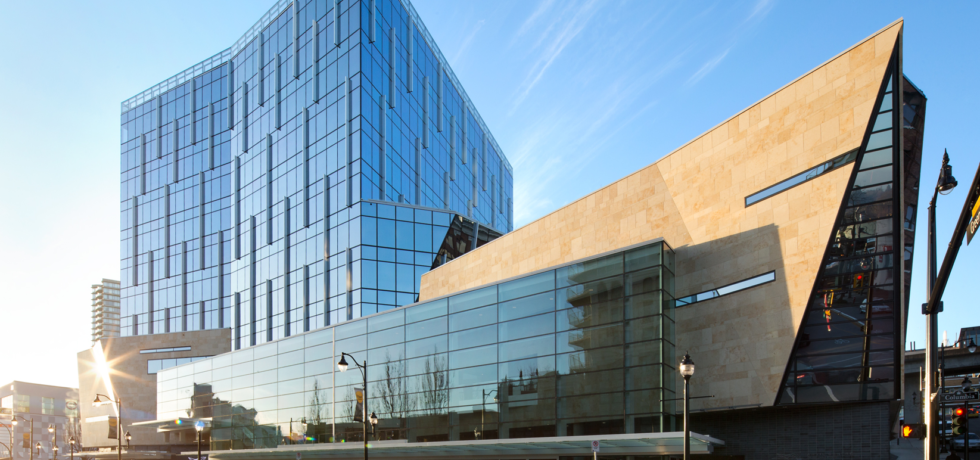
Architecture stands at the intersection of creativity, technology, and human need. It shapes the spaces where people live, work, and interact, forming the visual and functional foundation of civilizations throughout history. From ancient temples to futuristic skyscrapers, architecture continues to evolve while maintaining its core mission—designing environments that enhance life.
What Is Architecture?
Architecture is the discipline of designing and constructing buildings, landscapes, and structures. It blends aesthetic principles, engineering techniques, and cultural values to produce spaces that are both functional and visually compelling.
Key Elements of Architecture
-
Form – The physical shape and appearance of a building.
-
Function – How the space serves its intended purpose.
-
Structure – The framework supporting the building.
-
Aesthetics – Visual appeal, style, and artistic expression.
-
Sustainability – Use of eco-friendly materials and energy-efficient strategies.
The Evolution of Architectural Styles
Classical Architecture
Influenced by ancient Greece and Rome, classical architecture emphasizes:
-
Columns (Doric, Ionic, Corinthian)
-
Symmetry and proportion
-
Stone materials and decorative sculptures
Gothic Architecture
Emerging in medieval Europe, this style is known for:
-
Pointed arches
-
Ribbed vaults
-
Flying buttresses
-
Stained glass windows
Modern Architecture
Popularized in the 20th century, it prioritizes:
-
Minimalism
-
Clean lines
-
Open spaces
-
Industrial materials like steel and glass
Contemporary Architecture
This style embraces innovation, blending technology and artistic experimentation through:
-
Organic shapes
-
Sustainable materials
-
Digital fabrication methods
The Role of Technology in Architecture
Digital Design Tools
Architects rely heavily on software such as:
-
CAD (Computer-Aided Design) for precision drawings
-
BIM (Building Information Modeling) for detailed construction planning
-
3D modeling for visualizing complex forms
Smart Building Systems
Buildings today incorporate:
-
Energy-efficient automation
-
Sensor-based climate control
-
Smart lighting and security systems
Sustainable Architecture
Environmental responsibility plays a critical role in contemporary design. Sustainable architecture aims to reduce ecological impact through:
Eco-Friendly Practices
-
Use of renewable materials
-
Passive solar design
-
Green roofs and walls
-
Rainwater harvesting systems
Benefits of Sustainable Design
-
Lower energy consumption
-
Healthier indoor environments
-
Reduced carbon footprint
-
Long-term cost savings
The Future of Architecture
Trends Shaping Tomorrow
-
Parametric design powered by algorithms
-
3D-printed buildings for rapid construction
-
Modular housing addressing affordability
-
Climate-responsive structures adapting to environmental challenges
The Human-Centric Approach
Future architecture increasingly focuses on:
-
Enhancing well-being
-
Promoting accessibility
-
Supporting community interaction
FAQs
1. What skills are essential for becoming an architect?
Architects need creativity, spatial awareness, technical drawing abilities, problem-solving skills, and proficiency with digital design tools.
2. How long does it take to become a licensed architect?
Most countries require about 5–7 years of education plus practical training and licensing exams.
3. What materials are most commonly used in modern architecture?
Steel, glass, concrete, engineered wood, and sustainable composites are widely used today.
4. How does architecture influence human behavior?
Well-designed spaces can improve productivity, reduce stress, and foster social interaction.
5. What is the difference between architecture and interior design?
Architecture focuses on structural design, while interior design deals with internal aesthetics and space optimization.
6. Can architecture be entirely sustainable?
Although achieving 100% sustainability is challenging, modern practices significantly reduce environmental impact.
7. How is technology changing architectural construction?
Automation, robotics, and digital modeling streamline design accuracy and speed up building processes.