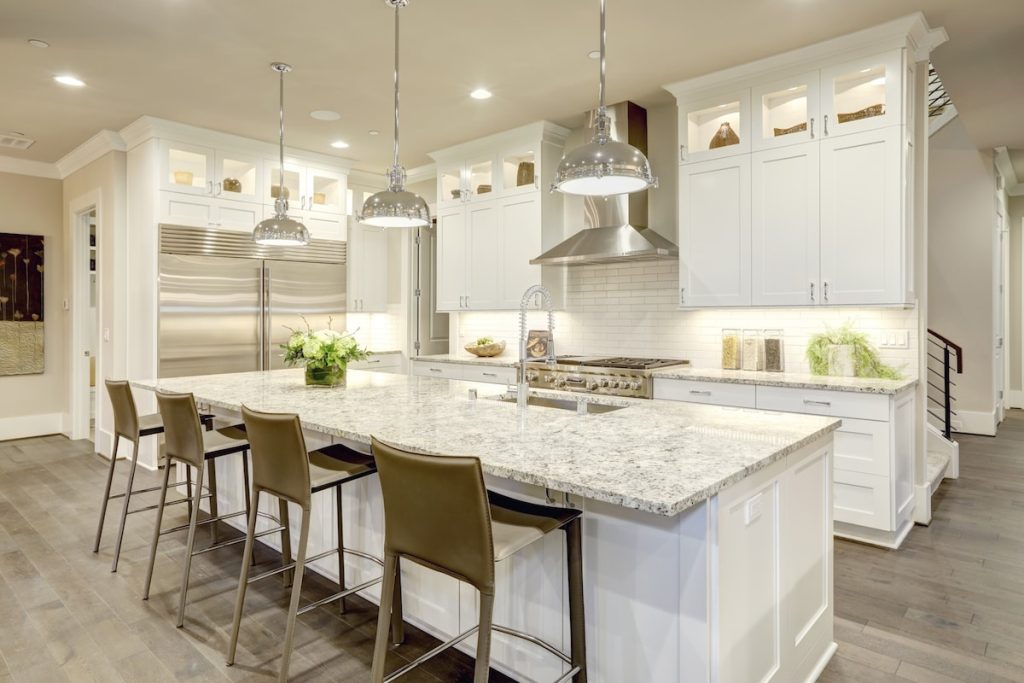

1. The Kitchen of Your Dreams: Designing a Culinary Haven
1.1 Crafting Your Ideal Layout: Flow and Functionality
When embarking on a kitchen remodel, the layout is one of the fundamental aspects that defines the overall functionality and feel of the space. The traditional kitchen triangle, which connects the stove, sink, and refrigerator, serves as a classic guideline, promoting an efficient workflow. However, today’s designs often stretch the bounds of this triangle, incorporating islands, peninsulas, and open concepts that foster both movement and social interaction. A popular choice for contemporary homes is the ‘work zone’ concept, where the kitchen is divided into distinct zones for cooking, prep, and entertaining. This approach not only enhances efficiency but also caters to the varying needs of different family members and guests.
Moreover, consider how traffic flows through your kitchen. If you frequently host gatherings, an open floor plan allows for seamless transitions between the kitchen and living areas. On the other hand, a galley design may suit smaller homes or those who prefer a more intimate cooking atmosphere. Addressing the specific needs of your household, such as accommodating multiple cooks or creating a child-friendly environment, can help you determine the best layout for your dream kitchen.
1.2 Choosing Color Palettes That Inspire Your Inner Chef
The color palette you select for your kitchen can significantly impact its ambiance and your cooking experience. Neutral tones such as whites, greys, and beiges create a serene and clean backdrop, allowing appliances and décor to stand out. On the other hand, introducing bold colors, like navy blues or deep greens, can add depth and a striking focal point. Recent trends have also seen the rise of two-tone cabinetry, where lower cabinets are painted in darker shades, while upper cabinets remain light and airy, creating a visually appealing contrast that keeps the space feeling open.
Additionally, integrating accent colors through accessories or backsplash designs can embody personal style without overwhelming the space. Natural hues, inspired by elements like wood and stone, not only bring warmth but resonate well with sustainable practices, bringing the beauty of the outdoors inside. Remember, your color choices should reflect your personality while providing a stimulating environment conducive to creativity and culinary exploration.
1.3 The Influence of Lighting: Setting the Mood for Cooking and Gathering
Lighting plays a critical role in shaping the character and functionality of your kitchen. A well-lit kitchen enhances visibility for cooking and prep work, while also creating a welcoming atmosphere for socializing. The first step in establishing effective lighting is to consider the different types: ambient, task, and accent lighting. Ambient lighting should provide overall illumination without harsh glare, generally achieved with ceiling fixtures or recessed lights. Task lighting, on the other hand, directs light to specific areas where activities take place, such as under-cabinet lights for countertops and focused illumination over islands or ranges. This ensures that chopping vegetables or reading recipes is easy and precise.
Accent lighting can be employed to highlight architectural features, cabinetry, or art pieces, providing personality to the space and adding a touch of luxury. Don’t overlook the potential of natural light; strategically placed windows or glass doors can flood your kitchen with sunlight, creating a warm and inviting atmosphere. Lastly, consider incorporating dimmer switches to adjust lighting levels based on the time of day or occasion, ensuring your kitchen can effortlessly transition from a bustling family hub to an elegant evening setting.
2. Smart Kitchen Technology: Merging Function with Innovation
2.1 Essential Gadgets and Appliances for Modern Cooking
In this digital age, technology has revolutionized the way we prepare and enjoy meals. Today’s kitchens are equipped with appliances that not only save time and energy but also enhance the cooking experience. High-tech ovens with smart features, for example, allow you to preheat your appliance remotely, check cooking times via your mobile device, and even receive notifications when your dish is ready. Some models come with built-in air fryers and steamers, offering added versatility in preparing healthier meals.
Microwave drawers and induction cooktops are other innovative solutions that save counter space while making cooking more efficient. Smart refrigerators with touchscreens enable meal planning, grocery tracking, and even recipe assistance. These features benefit novice cooks and those short on time, allowing for seamless integration of technology into everyday cooking tasks. Investing in these modern gadgets not only modernizes your kitchen but also invigorates your culinary creative spirit, transforming the way you engage with food.
2.2 The Role of Smart Home Integration in Your Kitchen
The concept of a smart home extends into the kitchen, creating an interconnected ecosystem that enhances convenience and control. Smart home integrations allow you to connect multiple devices—from lighting to appliances—into a cohesive system managed via a smartphone or digital assistant. Imagine walking into your kitchen and having the lights automatically adjust to your preferred brightness, the coffee brewing at your command, and your oven preheated for dinner—all before you even remove your coat.
Popular smart home systems like Amazon Alexa, Google Assistant, or Apple HomeKit enable voice control and automation of kitchen devices, significantly enhancing your overall cooking experience. Smart sensors can also assist in monitoring your kitchen’s temperature and humidity, ensuring optimal conditions for food preparation. Such integrations optimize energy use and reduce waste, reflecting a growing trend towards sustainability and efficiency. Embracing smart technology not only uplifts your culinary environment but also contributes positively to the modernization of home ecosystems.
2.3 Sustainability in Kitchen Tech: Eco-Friendly Innovations
As sustainability becomes increasingly paramount, kitchen innovations are emerging that align with eco-friendly practices. Energy Star-rated appliances, which consume less energy compared to conventional models, are a priority for eco-conscious homeowners. Smart thermostats that regulate energy usage, along with water-efficient faucets and dishwashers, significantly decrease resource consumption while maintaining high performance. Additionally, considering water filtration systems can cut down on plastic waste from bottled water and contribute to healthier living.
Moreover, many leading appliance manufacturers are now utilizing recyclable materials and sustainable manufacturing processes in their products, positively impacting the environment from production to disposal. Beyond appliances, integrating composting units for organic waste can also foster sustainable practices within the kitchen. Such initiatives promote a commitment to a greener lifestyle while enhancing the overall appeal of your dream kitchen, aligning with modern values of health and sustainability.
3. Selecting the Perfect Materials: Beauty Meets Durability
3.1 Countertop Choices: From Quartz to Marble—What’s Best for You?
The selection of countertops is a pivotal aspect of your dream kitchen remodel, as they are often both the central feature and a critical work surface. Popular materials include quartz, granite, and marble, each offering unique benefits and considerations. Quartz, engineered from natural stone and resin, provides durability and requires minimal upkeep, making it a practical choice for busy kitchens. It is resistant to scratches, stains, and heat, and is available in a wide range of colors and patterns, allowing for customization without sacrificing functionality.
Granite, known for its timeless beauty and unique patterns, adds value to any home but does require regular sealing to maintain its resistance to staining. Marble, while luxurious and visually stunning, is more prone to etching and staining, necessitating careful maintenance. Additionally, consider alternative materials, such as recycled glass or concrete, for an eco-friendly twist. The choice of countertop should align with your lifestyle, aesthetic preferences, and maintenance capabilities, ensuring your kitchen remains functional and stunning for years to come.
3.2 Cabinet Materials and Finishes: Strike the Right Balance
Choosing the right materials for your cabinets is essential for both style and durability. Solid wood is a traditional favorite due to its strength and timeless appeal. However, options like plywood or MDF (medium-density fiberboard) are becoming increasingly popular due to their lower cost and the ability to mimic the appearance of solid wood. When it comes to finishes, the choices are extensive: from painted surfaces that have trendy hues to stained finishes that highlight the wood grain, each option can dramatically change the kitchen’s aesthetic.
Another trend gaining traction is the use of laminate and thermofoil, which replicate high-end looks without the hefty price tag. They are resistant to scratches and moisture, making them suitable for the active kitchen environment. Additionally, open shelving is a charming alternative to traditional cabinets, allowing you to display beautiful dishware and spices while making the space feel more open and airy. Ultimately, whatever material you choose should reflect both your practical needs and your design aspirations, resulting in cabinets that serve both function and beauty.
3.3 Flooring Options: Harmonizing Style and Practicality
The flooring in your kitchen should withstand heavy foot traffic, spills, and heat while enhancing the overall design aesthetic. Popular options include hardwood, tile, vinyl, and laminate, each offering distinct benefits. Hardwood floors, while warm and inviting, can be susceptible to water damage if not properly sealed. Porcelain or ceramic tiles provide unmatched durability and resistance to moisture, with a diverse range of options in terms of style, size, and color. Additionally, luxury vinyl flooring has emerged as a preferred choice due to its ease of maintenance, affordability, and availability in designs mimicking both wood and stone.
Choosing the right flooring materials extends beyond aesthetics; consider comfort underfoot as well, as certain materials can be harsher to stand on for longer cooking sessions. Incorporating area rugs is another way to add vibrancy and texture to your kitchen while providing a softer surface. In all cases, prioritize safety: select materials with anti-slip properties or ensure proper installation to prevent accidents. By harmonizing style and practicality, your kitchen floor can be both a design statement and a functional asset.
4. Bringing Your Vision to Life: Tips for a Smooth Remodel
4.1 Budgeting Wisely: How to Allocate for Your Dream Kitchen
Budgeting is a critical component of any remodel to ensure each aspect of your dream kitchen is effectively addressed. Start by defining your overall budget, accounting for major expenditures such as appliances, materials, and labor costs. A common rule of thumb is to allocate around 15-20% of your home’s value for a full kitchen remodel. This should include both structural changes and aesthetic enhancements. Create a detailed spreadsheet categorizing your expenses, allowing for clear visibility of costs related to countertops, cabinetry, appliances, and permits.
Additionally, consider including a contingency fund of at least 10-15% in your budget to account for unexpected expenses that may arise during the renovation process. Prioritize which elements are most important to you, whether it’s high-end appliances, custom cabinetry, or sustainable materials, and be willing to compromise on aspects that may be less critical. With thoughtful budgeting, your kitchen transformation can become a reality without placing excessive financial strain on your household.
4.2 Choosing the Right Contractor: What to Look For
The contractor you select can greatly influence the success of your kitchen remodel. Begin by researching potential candidates, seeking those with strong reputations and proven track records. Read online reviews, ask for references, and examine their portfolios to gauge the quality and range of their work. Once you have a shortlist, schedule interviews to discuss your vision and gauge their understanding of your project. Communication is crucial; your contractor should be able to articulate solutions and provide feedback based on their experience.
Ensure that your contractor is licensed and insured, protecting you from liabilities that may arise during construction. Additionally, inquire about their subcontractors and how subcontracted work will be managed. A good contractor will also provide a detailed contract that outlines the scope of work, timelines, and payment schedules, which can prevent misunderstandings down the line. Trust your instincts; you want to partner with a professional who resonates with your vision and approach, fostering a collaborative environment throughout the remodeling journey.
4.3 Navigating the Remodel Process: Timelines and Expectations
Understanding the general timeline and steps involved in a kitchen remodel prepares you for the journey ahead. Typically, remodels can take anywhere from a few weeks to several months, depending on the scope of work. Initial planning stages involve design consultations and securing permits, which can take several weeks. The demolition phase generally lasts a few days, while structural changes, plumbing, and electrical work can take longer depending on the complexity of the project. Following this, installations of cabinetry, flooring, and countertops may occur sequentially.
Throughout the process, staying organized and maintaining open communication with your contractor will help keep the project on track. Be prepared for some disruption to your daily routine, particularly during demolition and construction phases, and consider setting up alternative cooking arrangements to minimize inconvenience. Ultimately, having realistic expectations and a positive mindset will enable you to navigate any challenges, ensuring your dream kitchen becomes a cherished reality that enriches your home for years to come.
FAQ
Question: How do I choose the right appliances for my kitchen remodel?
- A good approach is to consider energy efficiency, size, features, and how frequently you cook. Research appliances with high ratings and look for those that fit within your kitchen’s design and layout.
Question: What is the best way to incorporate open shelving in my kitchen design?
- Open shelving can create an airy feel in your kitchen. Consider displaying attractive dishware or decorative items, and ensure that shelves are made from sturdy materials to support the weight of the items you wish to display.
Question: Can I do a kitchen remodel on a tight budget?
- Yes, prioritize your spending by choosing a few key areas to invest in, such as countertops or appliances, and consider DIY projects for cosmetic updates. Look for sales or second-hand options for materials to stretch your budget further.
Question: How can I ensure my kitchen remodel accommodates my family’s needs?
- Engage your family in the planning process to express their needs and preferences. Consider factors such as the number of cooks, storage requirements, and spaces for dining or entertaining when designing your kitchen.
Question: What are the latest trends in kitchen design?
- Current trends include bold colored cabinets, multifunctional islands, smart appliances, and sustainable materials. Incorporating natural elements and textures can also bring a fresh look to your kitchen.
Question: How important is ventilation in a kitchen remodel?
- Ventilation is crucial for maintaining air quality and minimizing odors, smoke, and moisture. Installing a range hood or ensuring good airflow can make a significant difference in creating a comfortable cooking environment.
Question: What types of lighting should I include in my kitchen?
- It’s essential to combine ambient, task, and accent lighting. Consider pendant lights over islands for task lighting, under-cabinet lights for countertops, and dimmable overhead fixtures for ambient light.
Question: How do I maintain a clean and organized kitchen after remodeling?
- Establish designated spaces for all kitchen items, routinely declutter, and implement regular cleaning schedules. Investing in storage solutions like pull-out shelves or drawer organizers can further aid in keeping everything tidy and accessible.
Useful Resources
- House Beautiful
- Houzz
- Architectural Digest
- Consumer Reports
- S. Department of Energy
- Environmental Protection Agency (EPA)
- National Association of Home Builders (NAHB)
- iCraftGifts