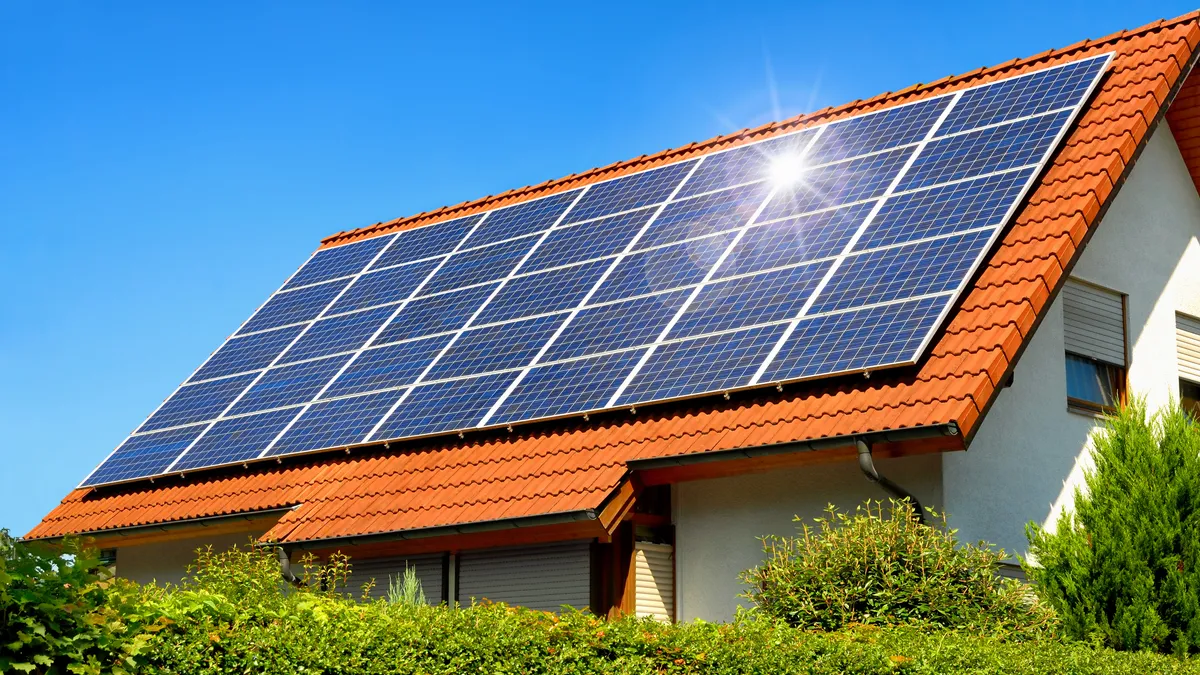

Arizona is known for its sunny skies and high temperatures, making it an ideal location for solar energy. The state boasts over 300 sunny days annually, making it a goldmine for solar power enthusiasts. However, not all solar panels are created equal. This guide will help you choose the best solar panel technology for Arizona’s unique climate, ensuring you get the most out of your investment.
Understanding Solar Panel Basics
Solar panels convert sunlight into electricity, but different technologies achieve this in various ways. The most common types include monocrystalline, polycrystalline, and thin-film solar panels. Each has its own set of advantages and disadvantages, especially when considering Arizona’s intense sunlight and heat.
Monocrystalline Solar Panels
Monocrystalline panels are known for their efficiency and longevity. Made from single-crystal silicon, these panels can convert more sunlight into electricity compared to other types.
- Efficiency: These panels are around 15-20% efficient, making them a top choice for residential installations.
- Durability: They are robust and have a lifespan of up to 25 years, perfect for Arizona’s harsh conditions.
- Cost: While they are more expensive up front, their efficiency and durability make them a long-term investment.
Polycrystalline Solar Panels
Polycrystalline panels are made from multiple silicon crystals melted together. They are slightly less efficient but more affordable than monocrystalline panels.
- Efficiency: These panels have an efficiency rate of 13-16%, which is lower than monocrystalline but still effective.
- Affordability: They are cheaper to produce, making them a budget-friendly option.
- Temperature Tolerance: They perform well in mild temperatures but may lose efficiency in Arizona’s extreme heat.
Thin-Film Solar Panels
Thin-film panels are made from a variety of materials, including cadmium telluride and amorphous silicon. They are flexible and lightweight but generally less efficient.
- Flexibility: These panels can be installed on various surfaces, including curved ones.
- Cost-Effectiveness: They are the least expensive to produce but are also less efficient, with rates between 7-10%.
- Heat Performance: Surprisingly, thin-film panels perform better in high temperatures compared to their crystalline counterparts.
Factors to Consider When Choosing Solar Panels
Selecting the right solar panels dealers involves more than just looking at efficiency and cost. Here are some critical factors to consider:
Efficiency and Space
Efficiency is crucial, especially if you have limited roof space. Monocrystalline panels, being the most efficient, can generate more power with fewer panels, saving you space.
Temperature Coefficient
Arizona’s high temperatures can impact the efficiency of solar panels. Look for panels with a low-temperature coefficient, which means they lose less efficiency as temperatures rise.
Durability and Warranty
Solar panels are a long-term investment. Ensure that the panels you choose come with a robust warranty and are built to withstand Arizona’s intense sunlight and occasional dust storms.
Installation and Maintenance
Choosing the right Arizona solar installers is essential. Experienced installers will ensure your system is set up correctly and provide maintenance tips to keep your panels performing optimally.
Financial Incentives
Arizona offers various incentives for solar installations, including tax credits and rebates. Research these options to reduce your upfront costs and increase your return on investment.
Making the Final Decision
When choosing the best solar panel technology for Arizona, consider your specific needs and budget. Monocrystalline panels are ideal for those who want high efficiency and durability. Polycrystalline panels are a great budget-friendly option, while thin-film panels are perfect for high-temperature tolerance and flexibility.
Installation Tips for Arizona Homeowners
Proper installation is key to maximizing your solar panel efficiency. Here are some tips:
Optimal Placement
Ensure your panels are placed at the correct angle to capture maximum sunlight throughout the year. A professional installer can help determine the best position for optimal performance.
Regular Maintenance
Arizona’s dusty environment means your panels will need regular cleaning to maintain efficiency. Check with your installers about maintenance packages or tips for DIY cleaning.
Monitoring Systems
Invest in a good monitoring system to track your solar panel performance in real time. This can help you identify and resolve any issues quickly, ensuring continuous efficiency.
Choosing the right solar panel technology for Arizona’s climate is a crucial step in harnessing the sun’s power efficiently. By considering factors like efficiency, temperature tolerance, and durability, you can make an informed decision that offers long-term benefits. Don’t forget to consult with reputable Arizona solar installers to ensure your system is set up for success.