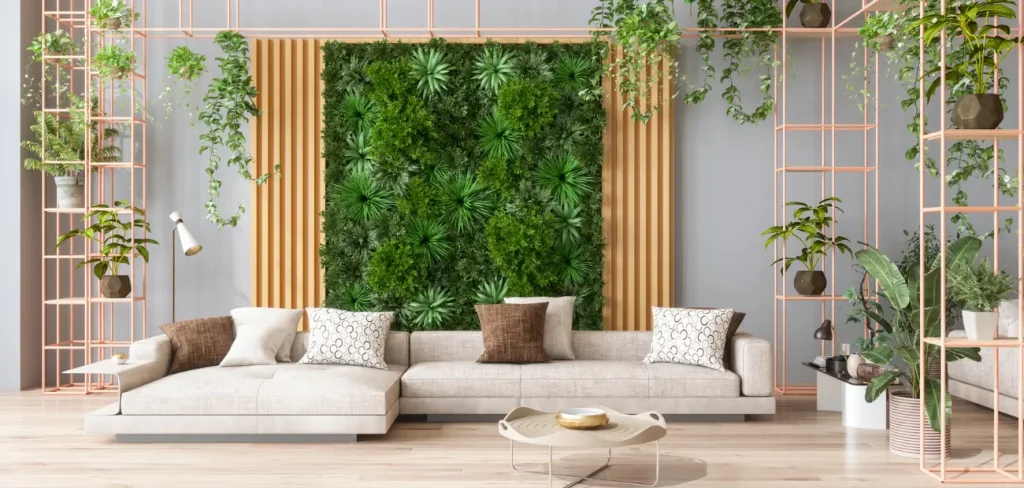

In the quiet corners of our homes, where spirituality meets environmental consciousness, a profound transformation is taking place. Sacred art isn’t just about decoration – it’s a powerful narrative of connection, respect, and intentional living.
The Philosophical Foundation of Sacred Design
Our living spaces are more than mere physical structures. They’re living, breathing reflections of our deepest values, where every carefully chosen element tells a story of spiritual awareness and environmental responsibility. The marriage of sacred art and sustainable design represents a holistic approach to creating meaningful environments.
Principles of Mindful Spatial Design
Sustainable design and sacred art share core philosophical underpinnings that elevate our living spaces. These fundamental principles include reverence for natural resources, celebration of craftsmanship, commitment to minimising environmental impact, and honouring the interconnectedness of human experience.
Material Consciousness in Sacred Art Selection
When selecting sacred art, consider more than aesthetic appeal. Each piece should embody a deeper narrative of sustainability and spiritual significance.
Ethical Sourcing and Production
Key considerations for sustainable sacred art include:
- Provenance of materials
- Manufacturing processes
- Fair trade practices
- Cultural authenticity and respect
Spatial Harmony and Energy Dynamics
The placement of sacred art is as crucial as the piece itself. It’s about creating energy flows that promote tranquility, reflection, and connection. Natural light transforms sacred art, creating dynamic interactions between physical objects and environmental elements.
Strategic Placement Techniques
To maximise the impact of sacred art in sustainable spaces, homeowners can follow these practical steps:
- Assess natural light patterns in the room
- Choose locations with meaningful visual connections
- Consider the emotional resonance of each placement
- Integrate art with existing sustainable design elements
- Allow space for personal interpretation and growth
Integrating Cultural Narratives
Sacred art transcends mere decoration. Each piece carries cultural memories, spiritual traditions, and historical significance. By thoughtfully integrating these narratives, we create spaces that are simultaneously personal and universal.
Sustainable Materials in Sacred Art Environments
Eco-friendly materials are the backbone of conscious design. From reclaimed wood to recycled metals, these materials tell a story of environmental stewardship. Bamboo frames for icons, recycled glass sculptural elements, sustainable ceramic installations, and natural fiber textile backgrounds offer innovative ways to blend artistic expression with environmental responsibility.
Psychological and Spiritual Benefits
Spaces designed with sacred art and sustainable principles offer profound psychological benefits. Research suggests that environments reflecting personal values contribute significantly to mental health and spiritual growth. By creating spaces that honour both ecological and spiritual principles, we nurture our inner landscape.
Beyond Aesthetics Transformative Potential
Sacred art in sustainable design represents more than visual appeal. It’s a testament to human capacity for mindful living, bridging personal spirituality with global environmental consciousness. Our homes become sanctuaries of reflection, statements of personal ethics, and microcosms of broader ecological awareness.
Continuous Evolution and Personal Growth
Creating sacred, sustainable spaces is a journey of continuous learning and mindful exploration. Each choice reflects a commitment to personal and planetary well-being. Remember, sustainable design isn’t about achieving absolute perfection. It’s about making conscious, compassionate choices that reflect our highest values.
Concluding Reflections
Sacred art isn’t merely decoration. It’s a transformative language of sustainable, spiritual living – a profound dialogue between human creativity, environmental respect, and inner peace. By embracing this holistic approach, we don’t just design spaces. We craft meaningful narratives of connection, healing, and hope.